Tomato Salad

tomatosaladsmall

Even when you have leftovers for dinner as we did last night, it’s nice to add something fresh to the menu. Some leftover pollo alla caccciatora was on the menu for supper yesterday and I wanted to bring something fresh to the table. Earlier in the day, I found some great tomatoes at the market and thought of a salad I often enjoyed while growing up.

Tomato Salad
4 or 5 ripe, yet still firm, tomatoes
Salt to taste
3 Tbs extra virgin olive oil
1/4 tsp dried oregano
4 or 5 leaves fresh basil rolled and cut into strips
1 small ice cube

  1. Depending on their size, cut 4 or 5 tomatoes in quarters or eighths.
  2. Sprinkle with salt to taste.
  3. Drizzle with the olive oil.
  4. Add the oregano after rubbing it in your palms to release the flavor.
  5. Add the basil.
  6. Toss to coat.
  7. Add 1 small ice cube and refrigerate for at least an hour. The ice blends with the juices from the tomatoes to extend the dressing.

Toss before serving.

Pork Ribs with Smoked Paprika Sauce

ribssmall

For our Memorial Day get together, I was faced with having to make a main course to follow hot-dog appetizers. Somehow ribs came to mind; however, I didn’t think my Italian version of them braised in tomato sauce was a good option. I wanted something closer to barbecue, but I really don’t like most barbecue sauces.

Great Local Grown Ribs

Looking through my cookbooks, I found the answer in The Mediterranean Slow Cookerby Michele Scicolone: Pork Ribs with Smoked Paprika Sauce. In my opinion, these smokey, saucy ribs, cooked slowly on low for 6 to 8 hours in a sauce with sherry vinegar, onions, garlic and a generous touch of Spanish smoked paprika can stand up to any southern counterpart. (I would not attempt to substitute Hungarian paprika for the Spanish variety called for by the recipe.)
Rather than serving the ribs with the suggested chickpeas, I opted for that all American favorite, corn on the cob to keep with the holiday spirit.

Wine Pairing: Dry Lambrusco, Rijoa, Zinfandel

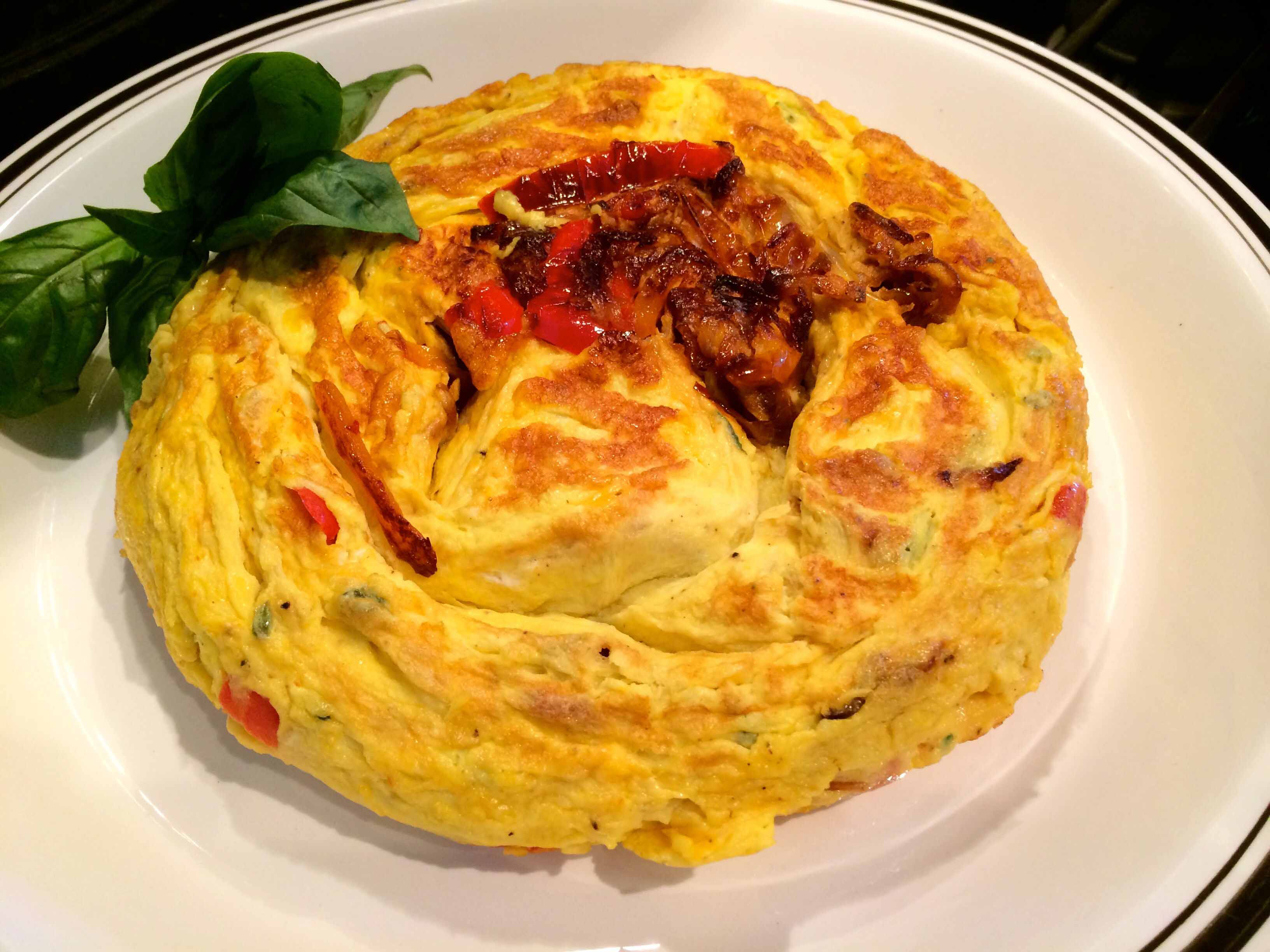
Ramp Frittata

puffurampsmall

I didn’t know what we were going to have for dinner last night until I walked through one of New York City’s premier farmers market in Union Square. As we walked from stand to stand, each with inviting displays of produce, I started to think of a lot of possibilities. But mid-way through the market, I saw a sign touting “the last ramps of spring.”

Ramps are an early springtime vegetable and are a type of wild leek. They have a garlic-like aroma but a rich onion flavor. They’re available for only a brief period in early spring and have become quite popular in restaurants specializing in seasonal cuisine.

I wanted a dish that would highlight their character and at first thought of a simple sauté served over spaghetti. But as we had had pasta the night before, I kept searching for a recipe. It wasn’t long before I found it: Puffy Ramp Frittata.

This is essentially a soufflé omelet, where egg whites are stirred into eggs beaten with the sautéed ramps. It’s started on top of the stove to set the eggs and finished under the broiler where the the whites help the omelet rise.

Served with a salad, some Italian flat bread, and a dry rosé from Provence, it was a perfect meal for a spring evening. Here’s a link to the recipe I used on Serious Eats.

Wine Pairing: Dry Rose, Sauvignon Blanc

Pollo alla Cacciatora Tuscan Style

cacciatori2small

I was recently gifted with a copy of Giuliano Bugialli’s The Fine Art of Italian Cooking. I haven’t read it yet, but thought I would try out one of his recipes. As I skimmed through the book, I found an interesting one for pollo alla cacciatora, chicken hunter’s style.

Most recipes for this popular dish use a heavier tomato sauce, as well as a couple of vegetables like peppers, onions, mushrooms, and the like. Bugialli, however, presents a more austere Tuscan version that gets most of its flavor from woodsy herbs like rosemary and sage. And rather than tomatoes, the recipe calls for tomato paste, which when toasted a little gives the sauce a deeper, darker flavor.

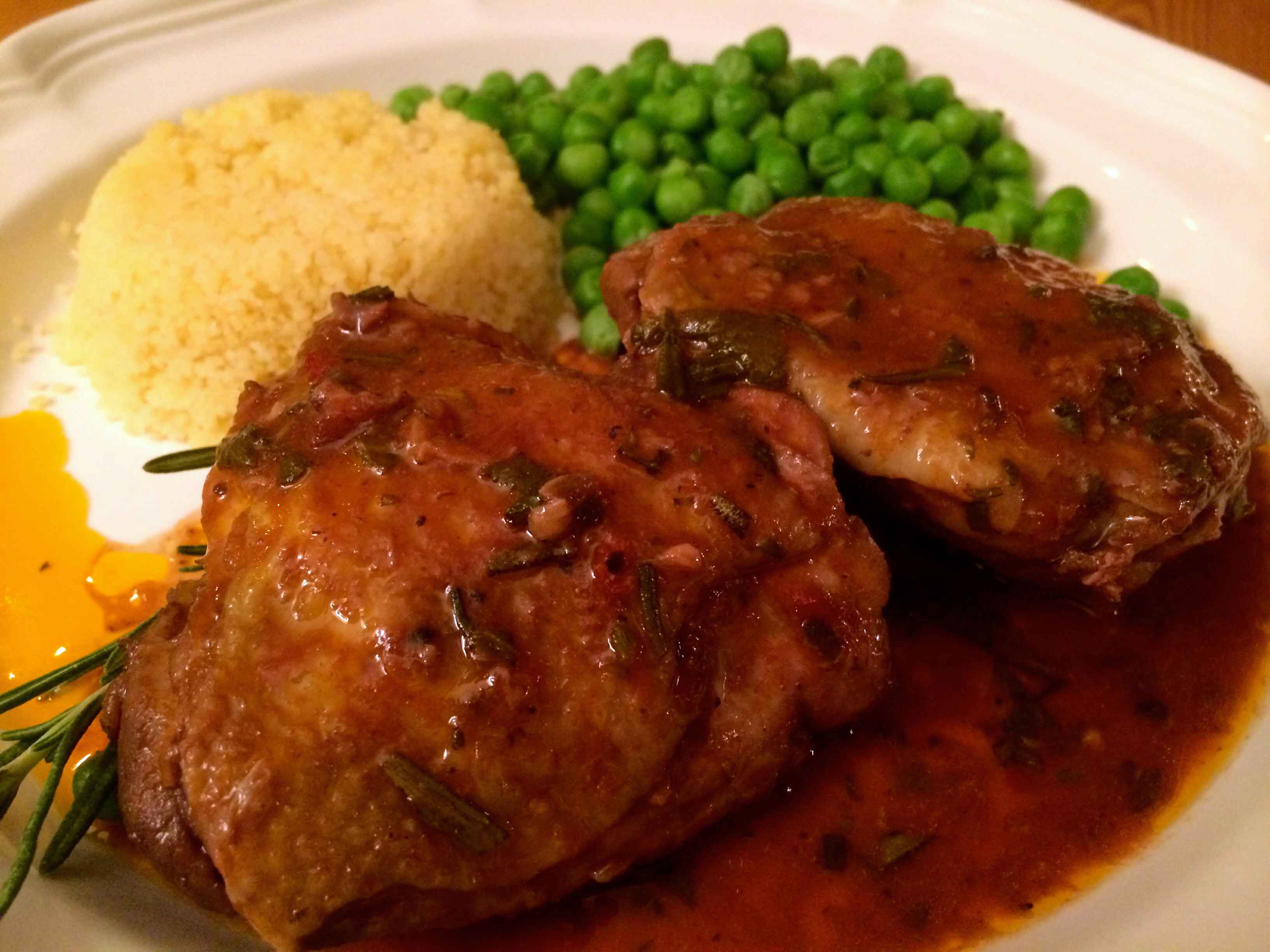
I think this was one of the best versions of the dish I have ever had. We served it with some couscous and peas. Below is my edited version of the recipe.

Chicken alla cacciatora 
1 chicken (3 to 3 1/2 pounds)
1 Tbs fresh rosemary leaves
10 fresh leaves sage
2 large cloves garlic
1/2 cup olive oil
Salt and freshly ground black pepper to taste
Pinch of hot red pepper flakes
1/2 cup dry red wine
1 bay leaf
2 Tbs imported tomato paste
1 1/2 cups hot water

  1. Cut the chicken into 16 pieces; coarsely chop the rosemary, sage, and garlic. (I used 8 skin-on, bone-in chicken thighs. Also be sure to coarsely chop the herbs and garlic so that they do not burn when sautéed in the oil.)
  2. Heat the oil in a large casserole or Dutch oven that is big enough to hold the chicken in a single layer. Add the chopped herbs and garlic and sauté gently until lightly golden (10 to 12 minutes). (Be sure to keep your eye on the pot during this stage. I kept the garlic on top of the herbs to prevent burning and kept adjusting the heat to allow for a slow cooking of the ingredients.)
  3. Add the chicken and sauté over moderately high heat until golden all over (about 15 minutes). Add salt, pepper, and hot pepper flakes.
  4. Lower the heat and pour in the wine. Let it evaporate very slowly (about 10 minutes), then add the bay leaf, tomato paste, and 1/2 cup of the water. (I stirred in the tomato paste making sure it was evenly distributed in the pot. I also turned the chicken pieces at this point to coat them with the sauce.)
  5. Cover the pan and let simmer very slowly for 20 minutes, adding more of the hot water if needed. (I turned the chicken pieces one or two times to ensure even cooking. I also found that I did not need any additional water.)
  6. At this point, the chicken should be cooked and there should be a small quantity of thick sauce. Remove the bay leaf and transfer the chicken and sauce to a serving dish. Serve hot. (I found a lot of fat on top of the sauce and skimmed off a good deal of it before plating the chicken.)

Bugiialli says this dish is even better when reheated.

Wine Pairing: Barbera d’Alba, Sangiovese, Merlot


Spaghetti with Anchovies

pastaachiugesmall

It was a hectic day and I couldn’t go shopping for dinner. Luckily, I had some oil-packed anchovies and fresh, well almost fresh, parsley in the fridge. The pantry yielded a half box of spaghetti, garlic, and olive oil.

What to make was obvious: another dish from my childhood that I actually hated then but love now: pasta acciughe, or spaghetti with anchovies.

Spaghetti with Anchovies (Serves 2)
4 Tbs olive oil
1 clove garlic, minced fine
1/4 tsp crushed red pepper flakes
5 or 6 oil-packed anchovies
2 Tbs fresh Italian parsley
8 oz spaghetti
Fresh black pepper

  1. While the water starts to boil for the pasta, put the olive oil, garlic, and pepper flakes in a pan and poach over low heat for about 5 minutes, stirring and making sure the garlic takes on no color.
  2. Start cooking the pasta, according to package directions for al dente.
  3. Add the anchovies to the pan, smashing them with the back of a wooden spoon until they dissolve into the oil. Add 1 Tbs of the the parsley and cook for just a couple of minutes. Remove from the heat.
  4. When the pasta is done, transfer it with tongs to the pan with the sauce. Add another tablespoon of parsley, a few grinds of fresh black pepper, and toss to coat the pasta. If too dry, add a tablespoon or so of the pasta water.

Serve on warmed plates.

This dish is sometimes served with toasted breadcrumbs, which is fine if you want a heavier dish.

Another version of this dish can be found in Chez Panisse Pasta, Pizza, Calzone. Here a link to the recipe online.

Wine Paring: Lacryma Christi Rosso, Nero d’Avola, Syrah

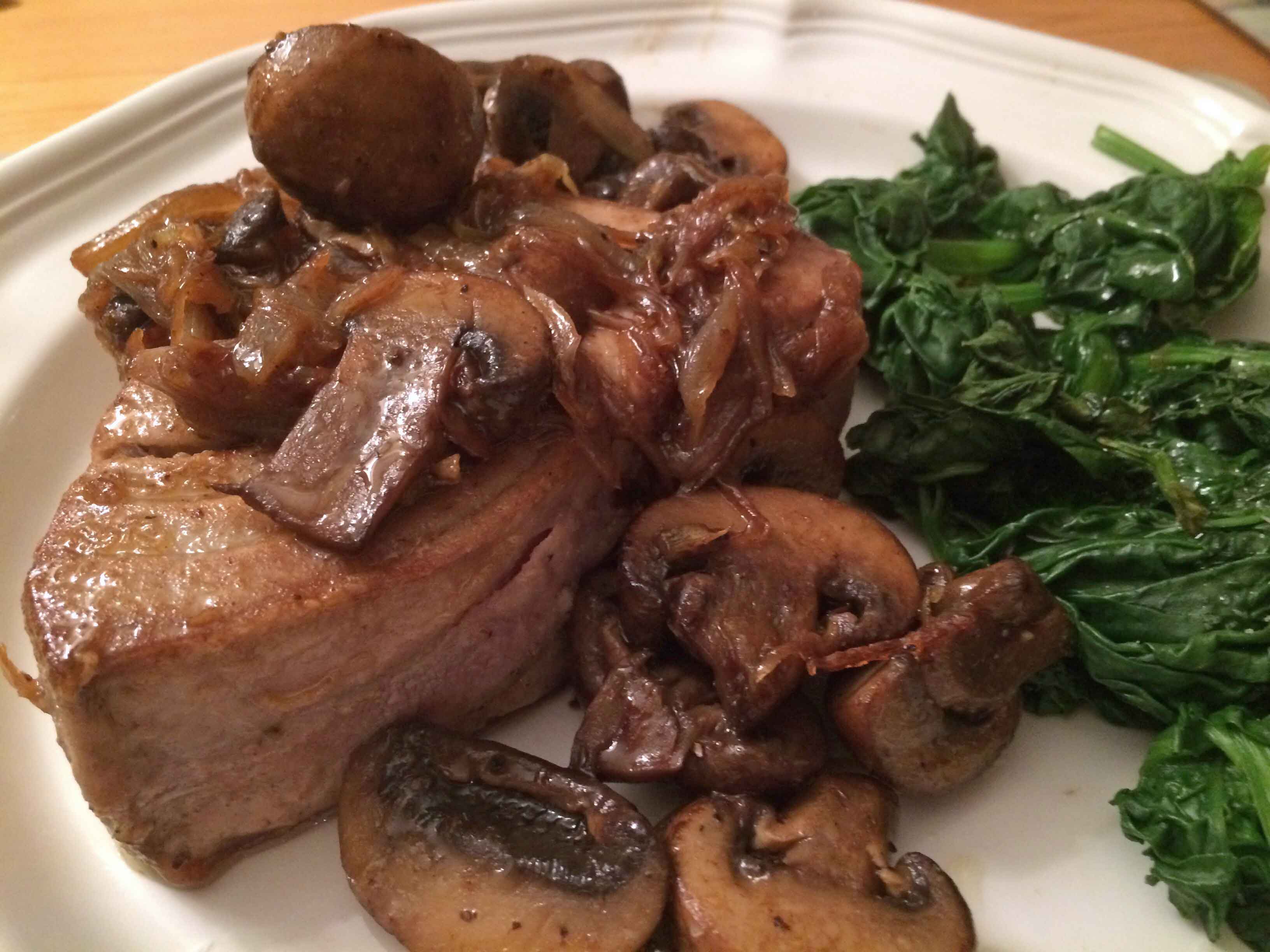
Fresh Tuna Steaks with Marsala and Mushrooms

tunacookedsmall

Yesterday, I found some really good looking yellow-fin tuna steaks at the market. So when I got home, I scoured my cookbooks to look for a new recipe for these beauties. As I didn’t want it to be a late night, time was a deciding factor in my choice.

tunarawsmall

I turned to Giuliano Hazan’s Every Night Italian, a great source for dishes that can be prepared in 45 minutes or less, and found just what I was looking for: “Fresh Tuna Steaks with Marsala and Mushrooms.”

It’s a recipe that takes 20 minutes from start to finish and yields a succulent dish, with the Marsala perfectly tying the knot between the meaty tuna and the earthy mushrooms.

Here’s a link to the recipe online.

Wine Pairing: Pinot Noir. Look for one with no more than 13.5% alcohol.

Turkey-Spinach Meatballs

meatballscookedsmall

If you had asked me a year ago what I thought of turkey meatballs, I probably would have said “Are you kidding?” But last night, I remembered we had about a pound and a half of ground turkey in the fridge and I didn’t want it to go to waste.

I have a pretty good collection of cookbooks, but none of them had a recipe for ground turkey other than the turkey meatloaf I made for brunch on Sunday. So, I searched the Internet and among a plethora of suggestions, one stood out: Turkey-Spinach Meatballs.

Now as an Italian-American growing up in Brooklyn, I’m no stranger to meatballs. My aunt would make them often for Sunday dinner and, on occasion, would sneak one, freshly fried and with a drizzle of sauce, to me before I had to go to mass. When I told her I couldn’t eat it before receiving communion, she’d say “It’s so little and so good, God won’t mind.”

Indeed they were good, and it’s her recipe that I often follow when I prepare them. But I had to get rid of the turkey.

The recipe I found was on the Bon Appétit website and it also included a recipe for a marinara sauce that was also quite different from my own. But as long as I was going for the meatballs, I thought I’d make the sauce as well. Here’s a link to the site: Turkey-Spinach Meatballs

mballsrawsmall

I have to admit that these were some of the best meatballs I have ever had. What surprised me about even more about how good they were is that rather than being fried, they were broiled. Soft and succulent, napped in a slightly spicy rich tomato sauce, they’re a perfect weeknight meal served either with pasta or, as we did, with good Italian bread.

My only deviations from the recipe were that I used slightly less oil than called for in the sauce and used crushed rather than whole tomatoes. I also used 87% fat turkey for the meatballs and may have broiled them a bit longer than specified.

Wine Pairing: Chianti Classico

Sunday Brunch

brunchfritattasmall

Never before have I ever held a brunch. But there’s a first time for everything, even at 65, and so on Sunday, we had our first one.

The menu was simple and, for the most part, all the dishes were prepared ahead of time.

Appetizers included humus, a selection of olives, savory crackers, nuts, crudités, etc.

Our first course was a 12-egg frittata with peppers, onion, basil, and Parmigiano-Reggiano, served at room temperature

brunchloafsmall

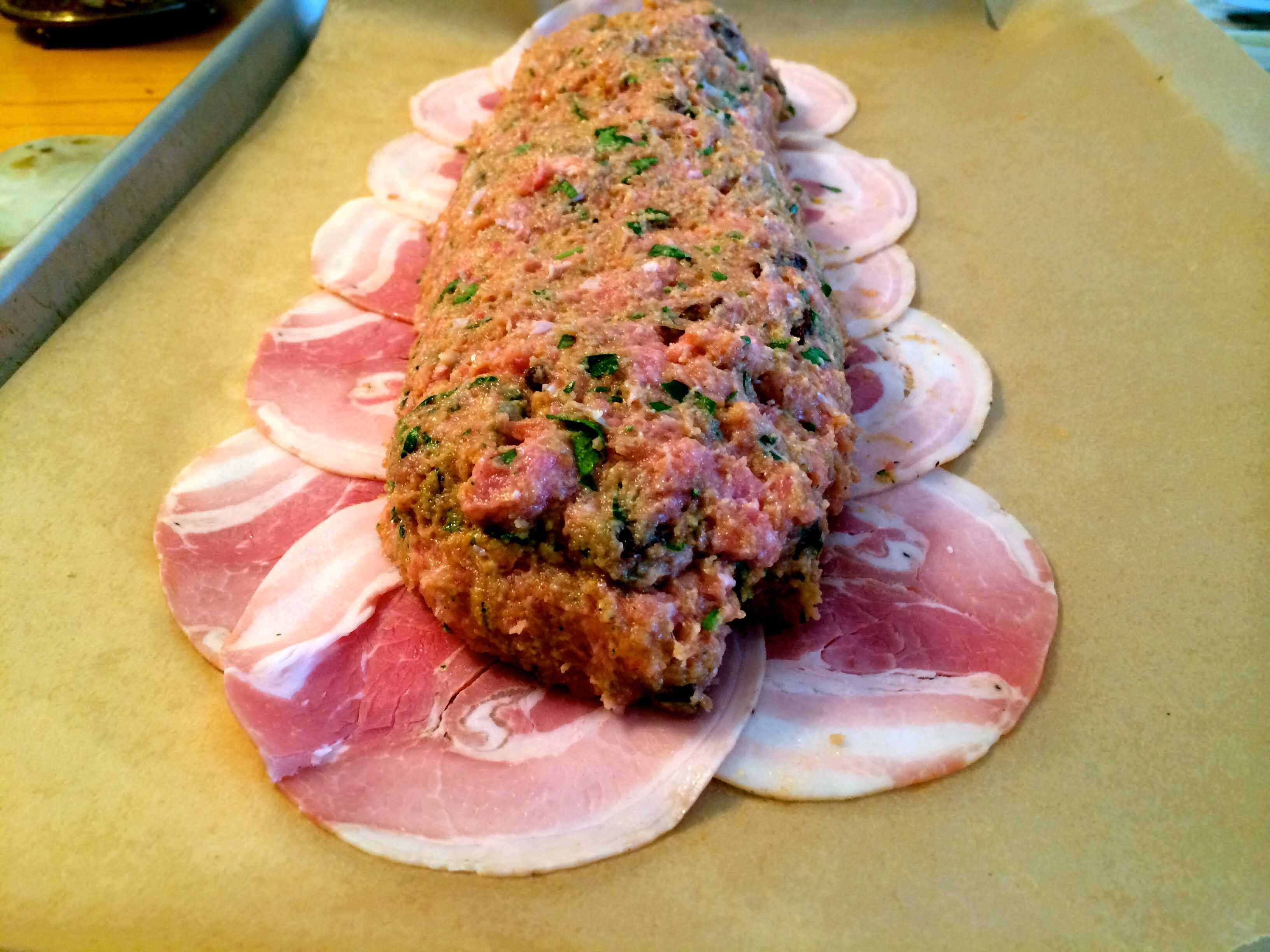
The second course was a turkey meatloaf wrapped in pancetta and was accompanied by peas. The recipe came from Giada De Laurentiis on the Food Network website. Here’s a link to the recipe I used.

In lieu of the sun dried tomatoes that were called for, I substituted raisins remaining true to my Neapolitan-Sicilian heritage. I also added a generous pinch of ground cumin to the seasonings.

rawloafbrunchsmall

Prosecco was the wine of choice for both the appetizers and the frittata. We served a Rosso Piceno, a Sangiovese form Italy’s Marche region with the meat.

Dessert was a store-bought nut tart and brownies.

Good company and conversation made the brunch a success, but for entertaining, I think I’ll stick with dinners.

Penne Fusion

pennewpeassmall

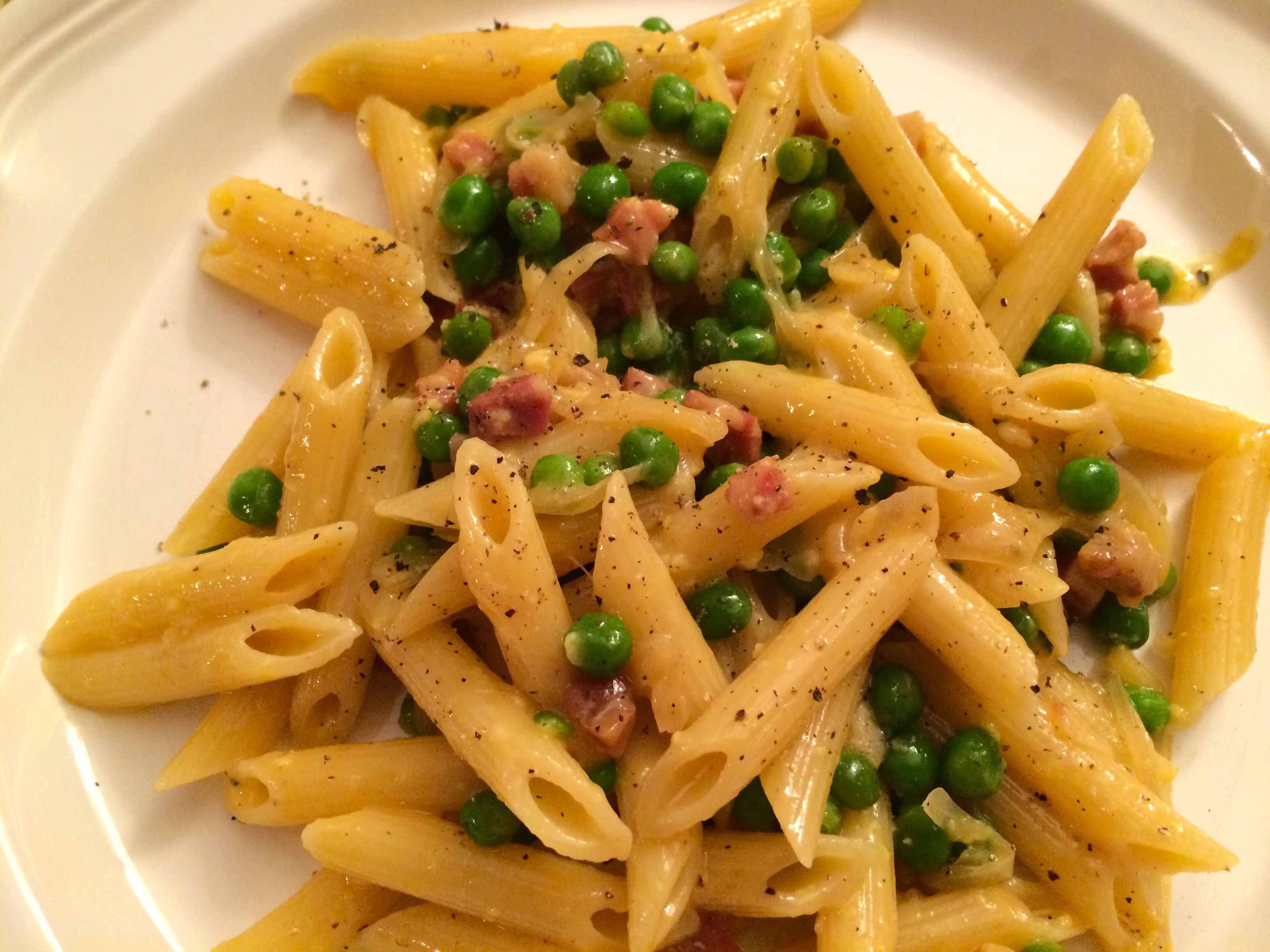
On Saturday afternoon, as I was passing a nearby outdoor cafe, I saw a inviting plate of fresh tagliatelle with peas. It looked so good that I thought I would make something like that for dinner.

As I began to think of peas, however, my mind turned to a childhood dish of those little green gems simmered with sautéed onions and pancetta. But then, the thought of savory pancetta brought to mind pasta alla carbonara. By the time I got home, I decided to attempt a fusion of the two dishes for supper.

The following recipe is based on one of my favorites for the classic Roman spaghetti alla carbonara from David Downie’s Cooking the Roman Way. Here’s a link to a good online adaptation that you may also want to try: Spaghetti alla Carbonara

Here’s my recipe:

Penne Fusion
1Tbsp extra-virgin olive oil
4 ounces pancetta, diced
1 small onion, sliced thin
1 cup frozen petit peas, defrosted
2 large eggs, at room temperature
Salt
Crushed black pepper
1/4 cup Pecorino Romano or more to taste
8 oz penne or spaghetti

  1. Bring a a large pot of water to a boil for the pasta; for 8 oz of penne, I use a 4qt pot.
  2. Chop the pancetta into small dice.
  3. In a 3qt sauté pan or Dutch over medium heat, heat the oil. Add the pancetta and let it render its fat; then add the thinly sliced onion and cook until the onion is soft and the pancetta is lightly crisp. Add the defrosted peas and cook for an additional couple of minutes until the peas are heated through.
  4. Remove from the heat and let the pan cool for a few minutes.
  5. Meanwhile, when the water has reached a full boil, add a small handful of salt. Add the salt slowly so that pot does not boil over. When the water has returned to a boil, add the pasta and stir. Cook uncovered until just before al dente.
  6. While the peas are heating, beat the eggs well with the cheese, a pinch of salt, and a generous grinding of black pepper.
  7. Reserve a cup of the pasta water.
  8. Right before the pasta is cooked to a nice al dente stage, pour the beaten eggs into the sauté pan and stir with the pancetta, onions, and peas. The pan must still be warm enough to heat the egg mixture but not so hot that the eggs will scramble.
  9. Immediately drain the pasta and add it to the sauté pan tossing it with the sauce to coat. If the sauce is too thick, add a tablespoon or so of water to loosen. Cover the pan and let it stand for about a minute.

Serve with additional cheese and black pepper.

The difficult part of this recipe is the timing. As I said before, the sauté pan with the pancetta, onions, and peas cannot be too hot or else the egg mixture will scramble when it is added. On the other hand, it should be just warm enough to heat the egg mixture so that it will coat the pasta.

It’s also important to add the pasta while it is still hot so that its heat will help heat the egg mixture as well.


Chicken Paillard

paillardsmall

Yesterday, we had a late lunch at an Italian restaurant that features la vera pizza Napolitana, real Neapolitan pizza. Needless to say, I ate more than my share of these thin-crusted beauties with San Marzano tomatoes, mozzarella di bufala, and basil, cooked in a wood-fired over for just a few minutes.

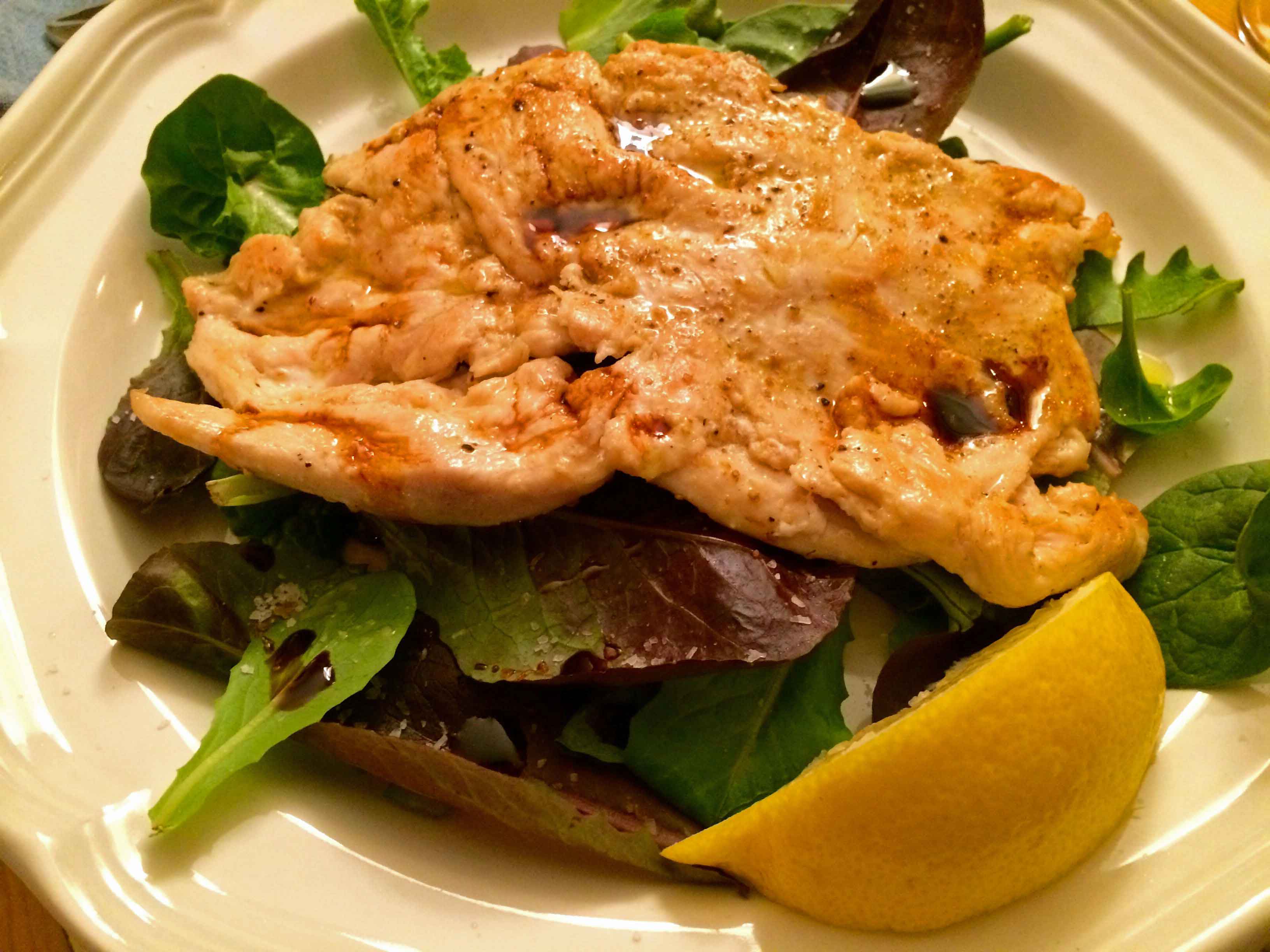
On the way home, we had to stop by our local supermarket for a few things, and I thought maybe I’d pick up something for a later that night just in case we were hungry. Pre-washed Mesclun salad was first and then I saw some thinly cut boneless, skinless chicken breasts.

I must admit that I’m not a fan of this cut. I almost always prefer chicken with its skin on and bones in. But when time, and calories, are the deciding factors, these breasts can be turned into a nice dish.

It was now rather late, and we were both somewhat hungry. Given the time, I wanted über simple and thought I would use the breasts for paillards or cutlets.

Recipes abound for these both in cookbooks and on the internet. Some call for breading, others for rolling and stuffing; some prescribe marinating or applying rubs to the meat. But I wanted simple, straightforward chicken and it was late. So here’s what I did.

2  Thin cut boneless, skinless chicken breasts.
Salt
Pepper
Cumin
1 Tbs Unsalted butter
1 Tbs Olive Oil
Extra Virgin Olive Oil, Lemon juice, Balsamic vinegar for finishing the chicken and dressing the greens.
Washed mesclun salad greens or arugula

1. Place a thin cut, boneless, skinless chicken breast between two pieces of plastic wrap. With a meat pounder or the side of a cleaver or even a heavy skillet pound the breast until it is about 1/4 inch thick. Season one side with salt, pepper, and a cumin. Repeat this step for each breast.

Note: You must keep hygiene in mind when handling raw chicken. Be sure to keep your hands and work surfaces clean when handling and pounding the chicken.

2. Over medium to medium-high flame, heat a skillet large enough to hold one or two pounded breasts in a single layer and add about a tablespoon of olive oil and a tablespoon of butter to the pan. When the butter stops sizzling, place the chicken in the pan, seasoned side down. Season the top side of the breast with salt and pepper.

3. Cook for two minutes and then flip with a pair of tongs and cook for an additional two minutes. Juices should be running clear. Cooking times will vary depending both on the heat and the thickness of the chicken. Avoid moving the chicken when it is in the pan; it will release when it’s ready.

4. When done, remove the breasts from the pan and place over a bed of mesclun or other greens that have been lightly dressed with olive oil and some lemon juice. Do not over dress the salad.

5. Drizzle the breasts with some extra virgin olive oil and just a few drops of a thick balsamic vinegar and serve with a lemon wedge to be squeezed on the chicken and the salad.

Wine Pairing: Cotes du Rhone for red; Macon Villages for white.